
When the Past Won’t Let Go: Healing Trauma Response Symptoms Across North Carolina and South Carolina
When you’ve experienced trauma, life can suddenly feel unfamiliar. The things that once felt safe may now feel overwhelming, and your body and mind might respond in ways that surprise or even frighten you. For women in North Carolina and South Carolina who have experienced trauma, whether it’s childhood trauma, a natural disaster, or a traumatic event in adulthood, understanding trauma response symptoms is an important first step toward healing.
In this blog, we’ll explore trauma, post-traumatic stress disorder (PTSD), complex PTSD, and the many ways trauma can affect both physical and emotional well-being. You’ll also learn about treatment options, including brainspotting therapy, coping strategies, and how trauma recovery is possible with the right support.

What Is Trauma?
Trauma is the emotional and psychological response to an experience that overwhelms your ability to cope. A traumatic experience can be anything that leaves you feeling unsafe, helpless, or deeply shaken. Trauma can come from physical or sexual abuse, the sudden loss of a loved one, a natural disaster, or long-term trauma such as growing up in an abusive household.
Trauma can also be deeply personal. Everyone’s response to trauma looks different. Two women may experience the same traumatic event, yet their reactions and trauma symptoms may not be the same.
Common Trauma Response Symptoms
After a traumatic event, it’s common to notice stress responses in your body, mind, and emotions. These trauma symptoms may last for days, weeks, or longer, depending on the severity of the traumatic stress and whether trauma recovery support is available.
Emotional and Psychological Trauma Symptoms:
- Feeling numb or disconnected
- Intense fear, sadness, or anger
- Emotional reactions that feel bigger than the situation
- Distressing memories and emotions you can’t control
- Flashbacks, where the traumatic experience feels like it’s happening again
Physical and Emotional Reactions:
- Racing heart, sweating, or shaking
- Trouble sleeping or nightmares
- Fatigue or exhaustion
- Headaches, stomachaches, or other unexplained physical symptoms
- A sense of being “on edge” or unable to relax
These stress reactions are the body’s way of processing the experience. But if symptoms get worse, don’t fade, or interfere with daily life, this may point toward post-traumatic stress disorder.
PTSD: When Trauma Symptoms Continue
Post-traumatic stress disorder (PTSD) is a mental health condition that can develop following a trauma. While everyone experiences trauma differently, PTSD symptoms must last for more than a month and significantly impact daily functioning to receive a PTSD diagnosis.

Symptoms of PTSD may include:
- Intrusive thoughts and feelings related to the trauma
- Distressing memories or nightmares
- Avoiding places, people, or situations that remind you of the trauma
- Negative thought patterns and behaviors
- Feeling detached from others or isolated
- Intense physical reactions when reminded of the trauma
People with PTSD often feel trapped in their traumatic memories. But it’s important to remember that PTSD is treatable. Treatment can help you cope, heal, and reclaim your sense of emotional balance.
Complex PTSD and Chronic Trauma
Some women don’t just experience one traumatic event, but many over time. This is known as complex PTSD (C-PTSD). Chronic trauma, such as repeated physical or sexual abuse, ongoing neglect, or living in an unsafe environment, can leave lasting emotional and psychological trauma.
Complex post-traumatic stress disorder often includes symptoms in addition to traditional PTSD symptoms, such as:
- Difficulty regulating emotions
- A deep sense of shame or worthlessness
- Struggles with maintaining relationships
- Distorted self-perception
- Feeling disconnected from the present
Trauma in childhood, in particular, can create patterns that carry into adulthood. But with the right mental health services and professional help, trauma survivors can recover.
How the Body Responds to Trauma
The body responds to trauma as if it is under constant threat. This involves stress responses that were originally designed to protect you. But over time, the physical and emotional reactions to trauma can begin to wear on your physical well-being.
Some physical symptoms of trauma may include:
- Chronic pain
- Muscle tension
- Digestive issues
- Sleep disturbances
- Fatigue

Trauma can also affect your immune system, making you more vulnerable to illness. It’s important to recognize that your physical health and emotional health are deeply connected.
Coping With the Trauma: Finding Ways to Heal
Coping with trauma takes time, patience, and often the support of a mental health professional. Healing isn’t about forgetting the traumatic experience but about finding ways to reduce distressing memories, ease emotional responses, and reconnect with life in a way that feels safe.
Strategies for Trauma Recovery:
- Create a Sense of Safety First: Before diving into your story, focus on calming your nervous system. Focus on building safety within yourself. This might mean wrapping up in a blanket, lighting a calming candle, or sitting with someone who helps you feel grounded. When you feel secure, working with a trauma therapist or through brainspotting therapy can help you process the experience without feeling overwhelmed.
- Grounding Techniques: Practices that keep you in the present moment, such as deep breathing or focusing on your senses, help when flashbacks or intrusive thoughts appear.
Notice how your body holds tension, pain, or tightness when you think about the trauma. Gentle stretches, shaking, or placing a hand over your heart can help your body release that stress. - Movement and Exercise: Gentle walking in places like Glencairn Garden in Rock Hill, SC, along the beach at Wrightsville Beach, or a hike at Hanging Rock State Park, can help regulate your nervous system.
- Creative Expression: Journaling, painting, or music can provide a safe outlet for emotions related to PTSD.
Treatment Options for PTSD and Trauma
Many treatments are designed specifically to treat PTSD. A mental health professional may use a combination of approaches depending on your needs.
Therapy Styles That Actually Help:
Cognitive Behavioral Therapy (CBT) helps challenge and change unhelpful thought patterns. While CBT is often the preferred method by insurance companies and can be effective for managing symptoms like anxiety or negative thinking, it doesn’t always reach the deeper layers of trauma stored in the body.
Therapy Styles That Actually Help Healing from trauma often requires more than talking. It requires approaches that help your body and brain reconnect and feel safe again. Bottom-up therapies work by accessing the body’s natural healing responses rather than focusing solely on thoughts or beliefs. Here are several evidence-based therapies that support true trauma recovery: Bottom-Up Therapy Approaches:
- Brainspotting Therapy: A powerful, neuroscience-based treatment that helps process and release traumatic memories stored deep in the brain and body.
- Internal Family Systems (IFS): Helps you connect with and heal different “parts” of yourself that may have carried pain or fear from the traumatic experience.
- Somatic Experiencing (SE): Focuses on noticing physical sensations and using gentle movements to release stored trauma energy from the body.
- Sensorimotor Psychotherapy: Combines body awareness with mindfulness and movement to process trauma safely and gently.
- Eye Movement Desensitization and Reprocessing (EMDR): Involves trauma or progressive exposures with guided eye movements to reduce distressing memories.
Brainspotting Therapy for Trauma
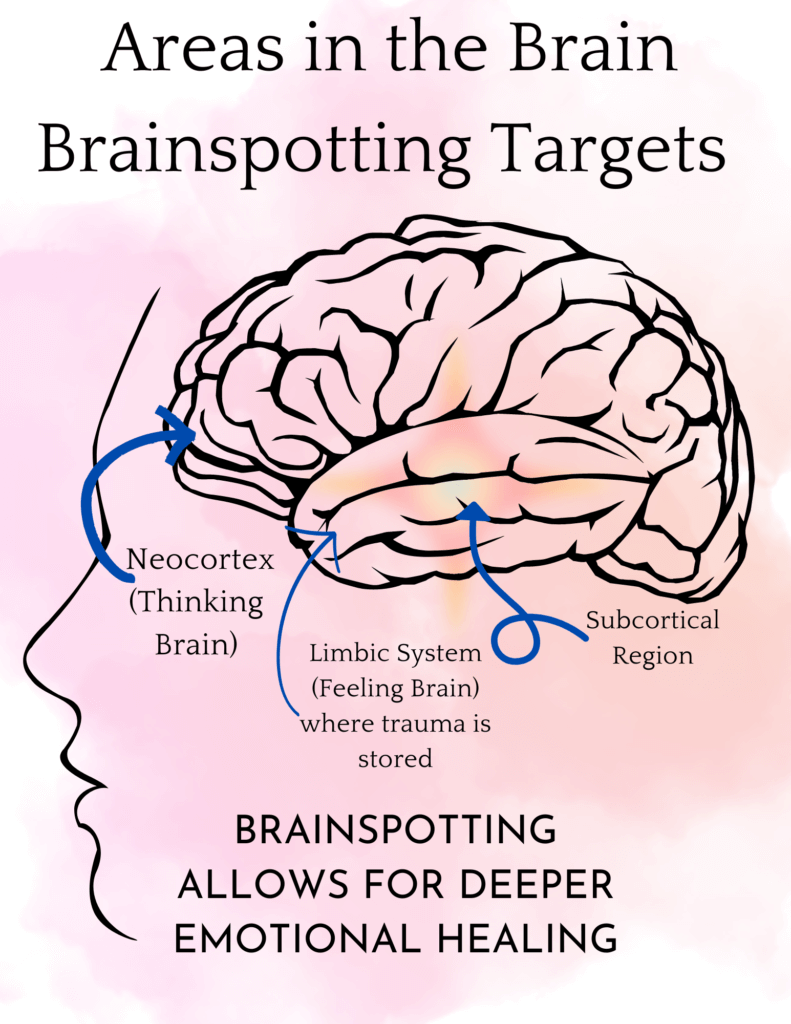
Brainspotting for trauma is becoming a highly effective option for trauma survivors in NC and SC. This therapy involves identifying “brainspots” connected to traumatic memories and using focused mindfulness to process the unresolved pain. The body often holds trauma long after the traumatic event has ended, and brainspotting therapy works with those physical and emotional reactions to promote healing.
Benefits of Brainspotting Therapy:
- Helps reduce intrusive thoughts and distressing memories
- Addresses both physical and emotional trauma
- Works for childhood trauma, complex PTSD, and long-term trauma
- Creates a deep sense of emotional safety and regulation
Working with a certified brainspotting therapist in Asheville, Hendersonville, Greenville, or Columbia can help you uncover how trauma affects your mind and body, and begin releasing the weight of your experiences.
Why Brainspotting Therapy Resonates With Trauma Survivors
Unlike traditional talk therapy, brainspotting therapy doesn’t require you to constantly re-tell your traumatic story. Instead, brainspotting allows your brain and body to process what words cannot express. This makes brainspotting for trauma especially powerful for women who have experienced emotional and psychological trauma, natural disasters, or trauma in childhood.
Women who have experienced brainspotting frequently share how it serves as a gentle yet powerful method for alleviating trauma symptoms, calming both physical and emotional responses, and bringing back a sense of harmony.
Trauma Recovery in North Carolina and South Carolina
If you are located in Asheville, Hendersonville, or Fayetteville, NC, or in Greenville, Columbia, or Charleston, SC, I offer specialized trauma therapy services tailored to help you recover from trauma. With my expertise in brainspotting therapy, I focus on supporting women dealing with PTSD, complex PTSD, and the long-term effects of trauma.
After experiencing trauma, it’s common to feel isolated, but remember, you are not alone. Many women in North Carolina and South Carolina are on a similar path, and I am here to guide you toward healing from emotional and psychological trauma and PTSD.
When to Seek Professional Help
It may be time to talk to your healthcare provider or a mental health professional if:
- Your symptoms must last more than a month
- Your symptoms get worse instead of better
- PTSD symptoms interfere with work, parenting, or relationships
- You feel isolated or unable to cope on your own
- You are experiencing depressive symptoms in addition to trauma responses
Reaching out for professional help is a powerful step toward healing. Brainspotting therapy, EMDR, CBT, and other trauma therapies are available across NC and SC, and PTSD treatment can help you reclaim your life.

The Road to Trauma Recovery
Recovering from trauma takes courage and compassion for yourself. Trauma can affect every part of life, from your relationships to your physical health. But with the right treatment, trauma recovery is possible.
Whether you are coping with childhood trauma, trauma and loss from a natural disaster, or ongoing stress reactions due to the trauma, remember: PTSD is treatable. Healing doesn’t happen overnight, but step by step, it’s possible to move forward.
If you’re in North Carolina or South Carolina and you’re searching for trauma therapy, mental health services, or brainspotting therapy, know that help is available. You don’t have to go through this alone. With support, you can find your way back to safety, connection, and joy.

Frequently Asked Questions
How does experiencing a traumatic event lead to PTSD?
Experiencing a traumatic event can lead to posttraumatic stress disorder (PTSD) when the individual’s response to trauma becomes chronic. Some may develop PTSD if they continually relive the trauma through nightmares or intrusive thoughts, significantly impacting their daily lives. Recognizing the link between trauma and PTSD is essential for seeking appropriate help.
What are the common symptoms and causes of trauma?
Trauma response symptoms can vary widely among individuals. Common symptoms include anxiety, flashbacks, emotional numbness, and hyper-vigilance. Causes often stem from experiencing a traumatic event such as abuse, accidents, or natural disasters. Understanding these symptoms and causes is crucial for effective trauma recovery.
What are the effects of trauma on emotional and psychological well-being?
The effects of trauma can profoundly impact emotional and psychological well-being. Individuals may experience symptoms of psychological distress such as depression, anxiety, and difficulty concentrating. Long-term exposure to trauma can also lead to a diminished sense of self and difficulties in relationships, highlighting the importance of addressing these issues early.
Do I have to talk about the trauma I experienced to heal?
No, and in fact, talking about it can sometimes make symptoms worse if your nervous system isn’t regulated. There is hope, though. Bottom-up modalities such as brainspotting can help you process trauma without the need to talk. These approaches focus on accessing and addressing trauma responses at a deeper level, allowing individuals to heal without the overwhelming pressure of verbalizing their experiences. By utilizing techniques that work with the body’s natural responses, people can begin to alleviate trauma response symptoms and gradually restore a sense of safety and balance in their lives.
Can isolation result in trauma symptoms worsening?
Yes, isolation can result in trauma symptoms worsening. When individuals feel isolated, they may struggle to process their trauma and experience heightened feelings of anxiety and depression. Connecting with others, whether through support groups or therapy, can be beneficial in alleviating these symptoms and fostering a sense of community.

Eleena Hardzinski is a Licensed Marriage and Family Therapist and a Certified Brainspotting Therapist who practices online in North Carolina, South Carolina, Illinois, and Wisconsin.
Eleena supports women struggling with motherhood, relationships, past traumas, ADHD, anxiety, and more. She helps overwhelmed moms find balance, overcome guilt, establish healthy boundaries, heal from past traumas, improve family communication, and regain confidence and joy in their lives.